Engine failure rarely happens without warning. In many cases, serious damage begins with a small issue that grows over time. A slow coolant leak, a missed oil change, a worn timing component, or an ignored warning light can place more stress on the engine each day.
Many of these problems can be prevented through regular checks and timely service. Drivers who understand how engines fail are better prepared to notice early changes and act before the damage becomes severe.
Elite Engine & Transmission Rebuilders in Fort Mill, SC, explains the most common causes of engine failure, the warning signs that deserve attention, and practical ways to help protect your engine.
Engine Failure Often Begins With Heat or Friction
An engine contains many moving metal parts that operate at high speeds. Those parts depend on oil and coolant to control heat and reduce friction.
When either system stops working correctly, temperatures can rise quickly. Metal parts may expand, warp, or rub against each other. This can damage bearings, pistons, cylinder walls, valves, and other internal components.
Two of the most important ways to protect an engine are simple:
- Maintain the correct oil level
- Keep the cooling system in good condition
These basic steps can help prevent many of the failures discussed below.
Low Oil Can Cause Severe Internal Damage
Motor oil creates a protective layer between moving engine parts. It also helps manage heat and carry dirt toward the oil filter.
When the oil level drops too low, that protection begins to break down. Parts may rub together, temperatures may rise, and internal wear may happen much faster.
Low oil may result from:
- Oil leaks
- Worn seals or gaskets
- Burning oil
- A damaged oil pan
- A failing oil pump
- Missed oil changes
Drivers should check the oil level regularly, especially before long trips. Warning signs may include an oil pressure light, tapping sounds, blue exhaust smoke, or a burning smell.
An oil pressure warning requires fast action. Continuing to drive with insufficient oil pressure can cause major engine damage in a short time.
How to Reduce the Risk
Follow the oil change schedule recommended for your vehicle. Use the correct oil type and check for leaks between services.
A vehicle that uses oil between changes may need more frequent level checks. Adding oil without finding the cause is not a long-term solution.
Overheating Can Damage Several Engine Parts
An engine creates a large amount of heat during normal operation. The cooling system removes that heat, keeping temperatures within a safe range.
When the cooling system fails, the engine may overheat. Excess heat can damage the head gasket, warp the cylinder head, weaken seals, or crack major engine parts.
Common causes of overheating include:
- Low coolant
- A leaking radiator
- A failed water pump
- A stuck thermostat
- A damaged cooling fan
- Cracked hoses
- A blocked coolant passage
A rising temperature gauge, steam, or a sweet smell may signal a cooling system problem.
Pull over safely and turn off the engine when it overheats. Driving farther may turn a simple cooling system repair into serious internal damage.
Never remove a radiator cap while the engine is hot. The system may be under pressure, and hot coolant can cause severe burns.
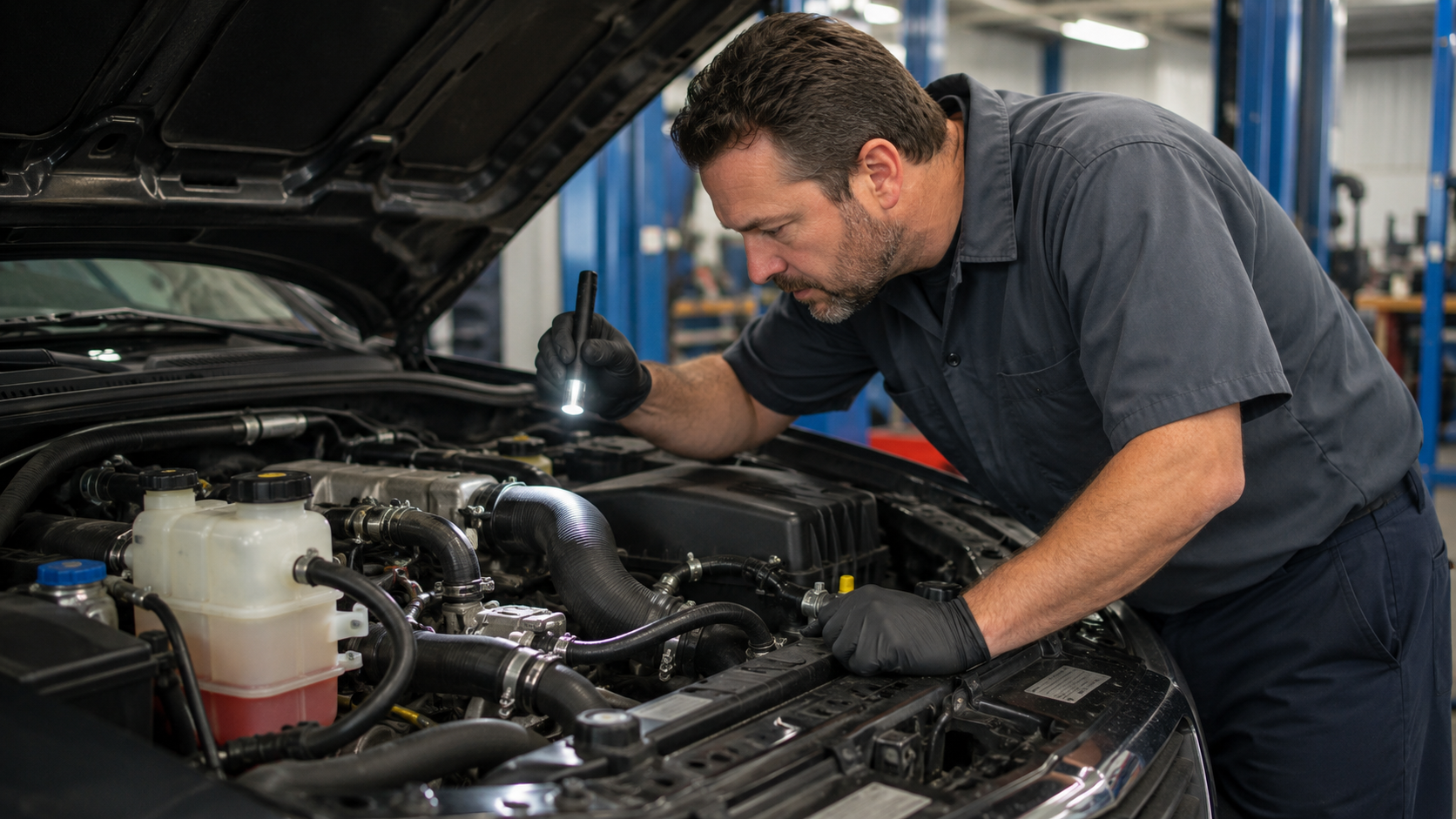
Timing Belt or Chain Failure Can Stop the Engine
The timing belt or timing chain keeps important engine parts moving in the correct order. It allows the valves to open and close as the pistons move.
When this system fails, the engine may stop without warning. In some engine designs, the pistons can strike the valves. This may bend valves, damage pistons, or affect the cylinder head.
Timing belts usually have a set replacement interval. Waiting until the belt breaks can lead to far more expensive damage than replacing it on schedule.
Timing chain problems may cause:
- Rattling during startup
- Rough running
- Misfires
- Poor power
- Hard starting
- A check engine light
Drivers should review the vehicle’s maintenance schedule and ask about timing service as the mileage approaches the recommended interval.
Coolant and Oil Leaks Should Not Be Ignored
Small leaks often appear less serious than they are. A few drops on the driveway may seem harmless, but fluid loss can gradually place the engine at risk.
An oil leak can reduce lubrication. A coolant leak can lead to overheating. Either problem may become worse as seals, hoses, or gaskets continue to wear.
Watch for:
- Wet areas beneath the vehicle
- Oil around the engine
- A sweet, cool smell
- Frequent fluid top-offs
- Steam under the hood
- Changes in engine temperature
Leaks should be inspected before the fluid level drops to a dangerously low level. Repairing a hose, gasket, or seal early may help prevent much larger damage later.
Poor Combustion Can Damage the Engine Over Time
Fuel and air must burn in a controlled way inside the engine. When combustion occurs too early or is uneven, the engine may knock, ping, or misfire.
Repeated poor combustion can place added force on pistons, bearings, and cylinder walls.
Possible causes include:
- Worn spark plugs
- Faulty ignition coils
- Carbon buildup
- Damaged sensors
- Incorrect fuel grade
- Injector problems
- Excess engine heat
A brief sound under heavy load may not always mean major damage. However, loud or frequent knocking should be inspected.
Misfires also need attention. They may reduce power, increase fuel use, and damage other vehicle systems when ignored.
Fuel Quality and Maintenance Matter
Use the fuel grade listed for the vehicle. Replace spark plugs and related ignition parts at the recommended intervals.
Drivers should avoid continuing to operate a vehicle that is shaking, losing power, or showing a flashing check engine light.
Air and Fuel Delivery Problems Increase Engine Stress
An engine needs the correct amount of clean air and fuel. Restricted airflow or poor fuel delivery can cause rough operation, weak acceleration, hard starting, and misfires.
Common causes include:
- A clogged air filter
- Dirty fuel injectors
- A weak fuel pump
- A blocked fuel filter
- Contaminated fuel
- A faulty airflow sensor
These issues may not destroy an engine right away. However, they can create poor operating conditions and place more strain on engine components.
Replacing filters on time and responding to performance changes can help keep the fuel and air systems working correctly.
Driving Habits Can Shorten Engine Life
Maintenance is important, but driving habits also affect engine wear.
Hard acceleration immediately after startup may overstress parts before the oil has fully circulated. Excess towing or heavy loads may increase heat. Repeated short trips can also prevent the engine from reaching a stable operating temperature.
Drivers can reduce wear by:
- Accelerating smoothly
- Avoiding loads beyond the vehicle’s limit
- Giving a cold engine time before heavy acceleration
- Watching the temperature gauge while towing
- Using the correct gear and driving mode
- Responding quickly to overheating or knocking
These habits do not replace maintenance, but they can help support longer engine life.
Warning Signs That Need Prompt Attention
The engine often provides clues before a major failure occurs. Changes in sound, temperature, smoke, or performance deserve attention.
Important warning signs include:
- Knocking or tapping
- Frequent overheating
- Excess exhaust smoke
- A loss of power
- Rough idling
- Hard starting
- Increased oil use
- Strong burning odors
- Heavy vibration
- Oil pressure warnings
Some symptoms require the driver to stop immediately. These include a loss of oil pressure, severe overheating, loud knocking, or a sudden drop in power.
Continuing to drive may worsen internal damage.
Build a Simple Engine Prevention Plan
Drivers do not need advanced mechanical knowledge to protect their engines. A consistent maintenance plan can prevent many common causes of failure.
Start with these habits:
- Check oil and coolant levels
- Change oil and filters on time
- Inspect belts and hoses
- Repair leaks quickly
- Replace the air filter when it is dirty
- Use the correct oil and fuel
- Keep service records
- Respond to warning lights
- Schedule an inspection when performance changes
Maintenance records show what has already been completed and make it easier to plan upcoming service. Explore our blog for more practical guidance on engine care, warning signs, and rebuilding options.
When Engine Rebuilding Becomes a Practical Option
Prevention can reduce risk, but it cannot stop every engine problem. High mileage, severe overheating, oil loss, or internal wear may still lead to major damage.
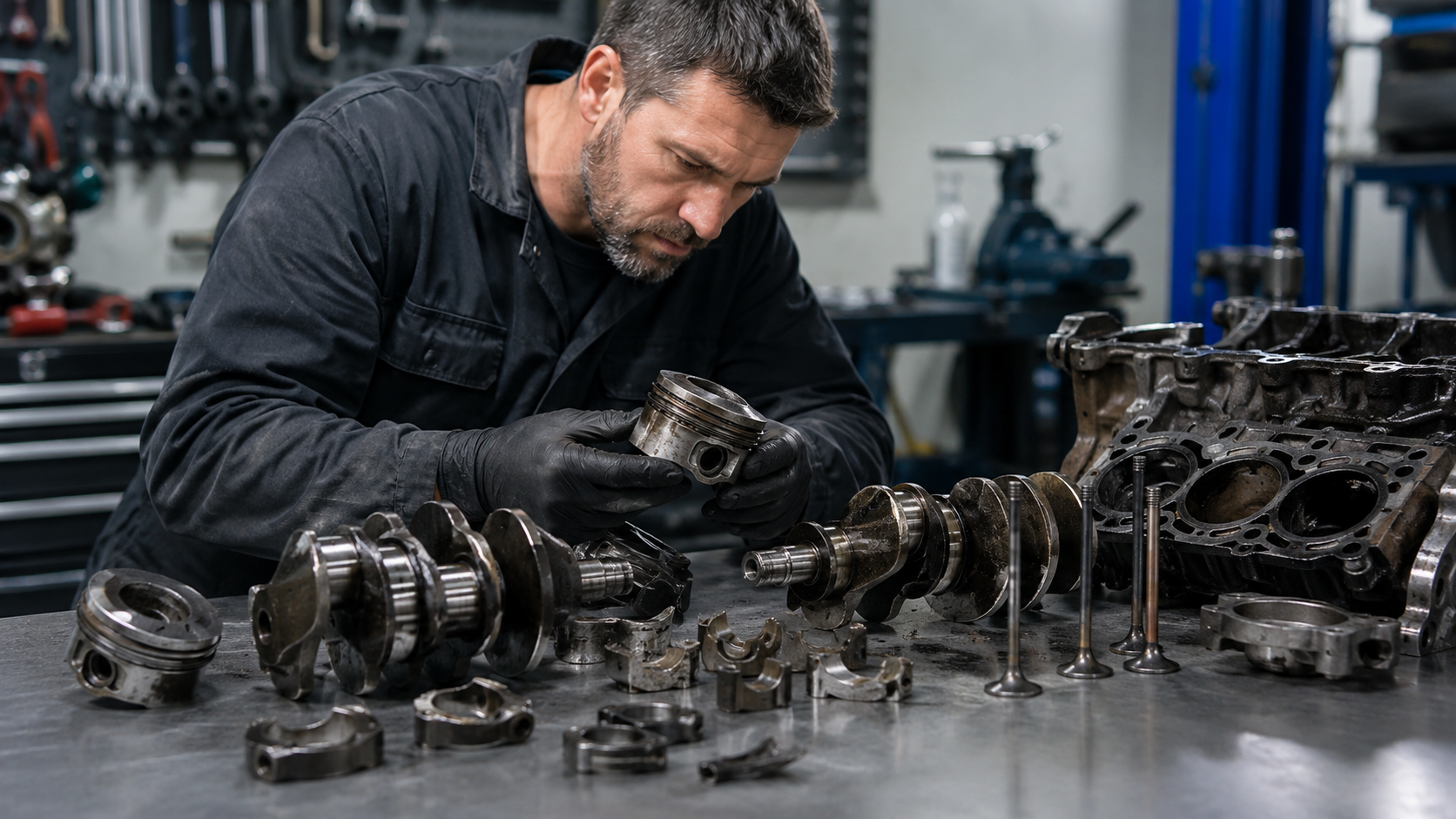
Engine rebuilding may be considered when several internal components need attention. During rebuilding, the engine is removed, taken apart, inspected, and restored based on its condition.
A rebuild may be a practical choice when:
- The vehicle remains in good overall condition
- The owner plans to keep the vehicle
- Internal damage can be corrected
- The cost makes sense compared with replacement
- A written warranty is available
Elite Engine & Transmission Rebuilders provides engine rebuilding, engine removal and reinstallation, testing, and vehicle pickup and delivery. View our services to learn more about the available support for major engine projects.
Frequently Asked Questions About Engine Failure
Can an Engine Fail Without Warning?
Some failures happen suddenly, but many engines show warning signs first. Unusual noises, overheating, smoke, fluid loss, and poor performance may appear before major damage occurs.
How Often Should I Check Engine Oil?
Checking the oil at least once a month is a useful habit. Drivers may need to check it more often when a vehicle has high mileage, uses oil, travels long distances, or has a known leak.
H3: Can an Overheated Engine Still Be Repaired?
It depends on how hot the engine got, how long it ran, and which parts were damaged. Some engines may need a smaller repair, while others may require rebuilding.
Is Engine Rebuilding Worth It?
It may be worth considering when the rest of the vehicle remains dependable, and the owner plans to keep it. Vehicle condition, repair cost, warranty coverage, and future needs should guide the decision.
Take Action Before Engine Damage Gets Worse
Many engine failures begin with preventable issues such as low oil levels, overheating, fluid leaks, and delayed maintenance. Paying attention to early warning signs can help protect the engine and reduce the risk of a breakdown.
Elite Engine & Transmission Rebuilders provides complete engine rebuilding services for all makes and models in Fort Mill, SC. We also serve customers throughout South Carolina, North Carolina, and Georgia, with vehicle pickup and delivery available. Contact us to discuss your engine concerns and determine the next step for your vehicle.