Engine replacement is rarely the first recommendation when a vehicle develops a serious problem. Many issues can still be corrected through maintenance, focused repairs, or engine rebuilding. However, there are times when internal damage becomes so severe that replacing the engine may be the most practical option.
The challenge is knowing when a warning light indicates a repairable issue and when it signals widespread engine damage. One symptom alone may not provide the answer. The vehicle’s mileage, repair history, oil condition, compression, overheating history, and overall value must all be considered.
This guide explains the warning signs that may lead to an engine replacement discussion and the factors that can help drivers choose the right next step.
Engine Replacement Is a Decision, Not a Diagnosis
A knocking sound, oil leak, or warning light does not automatically mean the engine must be replaced. Those symptoms can have several causes, including problems that may be corrected without removing the entire engine.
Engine replacement becomes a consideration after testing shows that the existing engine cannot be repaired at a reasonable cost. The decision may also depend on the extent of internal damage and whether rebuilding remains practical.
A professional evaluation may include:
- Checking engine compression
- Testing oil pressure
- Inspecting coolant and oil condition
- Scanning for diagnostic codes
- Listening for internal noises
- Reviewing overheating history
- Checking for metal debris
- Inspecting for cracks or major leaks
The goal is to fully understand the engine’s condition before choosing a major service.
Severe Knocking May Point to Internal Damage
Engine knocking can sound like a deep tapping, pounding, or hammering noise that changes with engine speed. It may come from worn bearings, damaged connecting rods, piston problems, or other internal parts.
A light ticking sound may have a smaller cause. A deep knock that becomes louder during acceleration is more concerning.
Pay attention when the noise:
- Continues after the engine warms up
- Becomes louder under load
- Appears with low oil pressure
- Follows an overheating event
- Begins after the engine ran low on oil
Driving with severe internal knocking can increase the damage. Worn bearings may affect the crankshaft, connecting rods, and other major components.
When several internal parts are damaged, engine replacement may be compared with rebuilding and other repair options.
Repeated Overheating Can Weaken the Entire Engine
One overheating event does not always destroy an engine. Repeated or severe overheating can create damage across several areas at once.
High heat may:
- Warp the cylinder head
- Damage the head gasket
- Crack the engine block
- Weaken seals
- Damage pistons
- Affect cylinder walls
- Reduce compression
A vehicle may continue running after overheating but develop new problems later. Coolant may disappear, exhaust smoke may increase, or the engine may begin running roughly.
Warning signs after overheating include:
- Coolant loss without a clear external leak
- White exhaust smoke
- Milky oil
- Bubbling in the coolant reservoir
- Frequent temperature spikes
- Poor engine performance
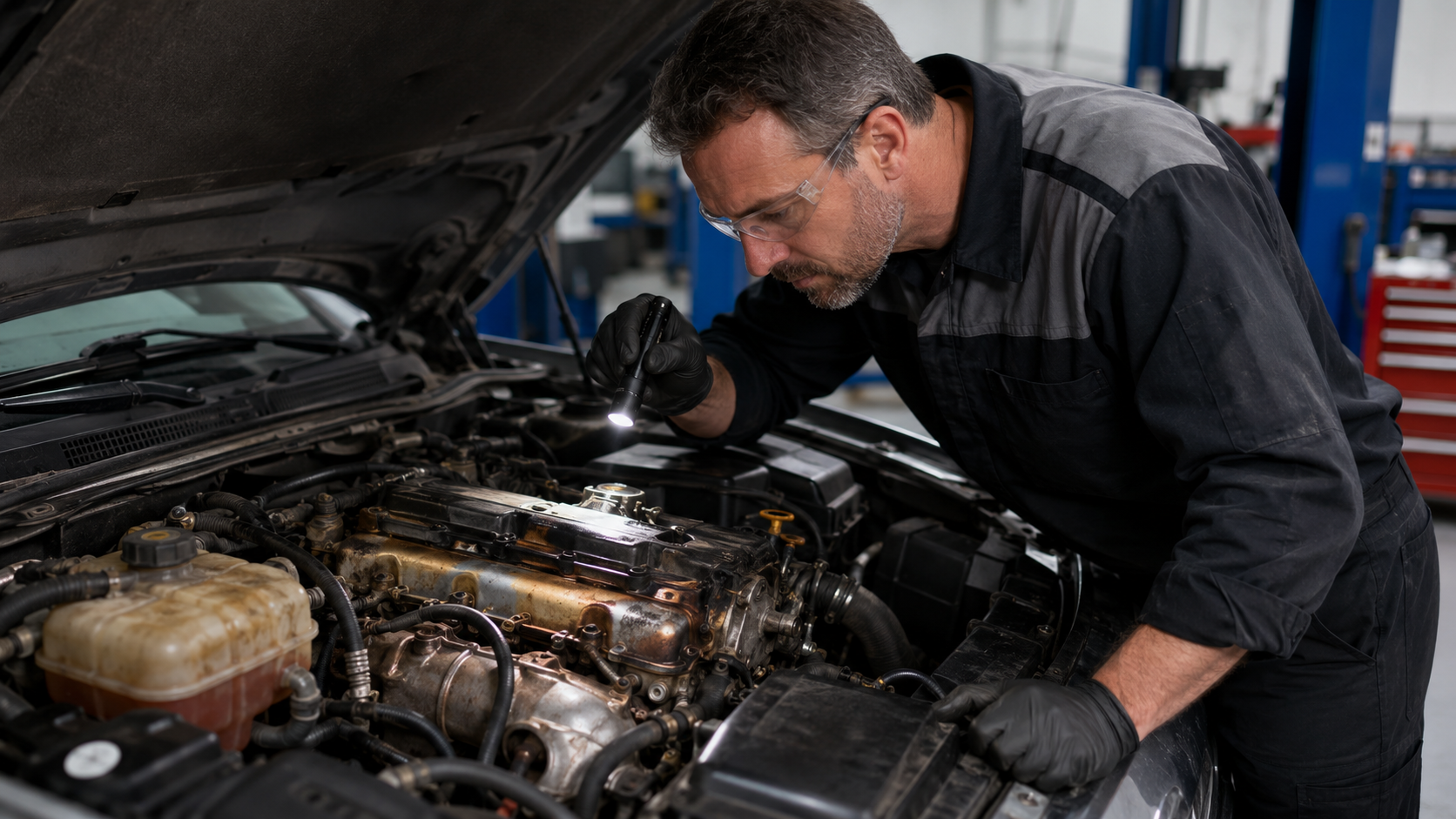
The cooling system should be inspected first. When testing confirms cracks, severe warping, or damage in several internal areas, engine replacement may become a practical option.
Low Compression Can Affect Power and Reliability
Compression allows each cylinder to produce power. When one or more cylinders cannot maintain sufficient pressure, the engine may lose power and run unevenly.
Low compression can result from:
- Worn piston rings
- Damaged valves
- Cracked pistons
- Cylinder wall wear
- A failed head gasket
- A damaged cylinder head
Drivers may notice slow acceleration, rough idling, hard starting, misfires, or high oil use.
A compression test can help identify weak cylinders. A leak-down test may provide more detail about where pressure is escaping.
One damaged valve may be repairable. Low compression across several cylinders may indicate widespread internal wear. In that situation, the costs of repair, rebuilding, and engine replacement should be carefully compared.
Heavy Oil Consumption Can Signal Advanced Wear
Some engines use a small amount of oil between changes. A sudden increase or frequent top-offs may reveal internal wear.
Oil may enter the combustion chamber through worn rings, valve seals, or damaged cylinder walls. It may also escape through external leaks.
Signs of excessive oil use include:
- Blue exhaust smoke
- Oil-fouled spark plugs
- Frequent low oil levels
- A burning oil smell
- Reduced engine power
- Carbon buildup
Adding oil may temporarily protect the engine, but it does not address the cause. Running low on oil can damage bearings and other moving parts.
When high oil consumption is combined with low compression, smoke, and internal noise, the engine may have widespread wear that requires major work.
Coolant and Oil Mixing Is a Serious Warning
Engine oil and coolant should remain in separate systems. When they mix, lubrication and cooling can both be affected.
Possible signs include:
- Milky oil under the cap
- Oily residue in the coolant
- White smoke from the exhaust
- Unexplained coolant loss
- Rising engine temperature
- Rough operation
A failed head gasket is one possible cause. Cracks in the cylinder head or engine block may also allow the fluids to mix.
A head gasket repair may be enough when the surrounding parts remain in good condition. Replacement may be considered when overheating has damaged the block, cylinder head, bearings, and other internal parts.
Continuing to drive can spread contaminated oil through the engine and increase wear.
Metal Debris Can Reveal Major Internal Wear
Metal inside the oil or oil filter can indicate that internal components are breaking down.
Fine material may appear in small amounts over time. Larger flakes, chips, or heavy metallic buildup are more concerning.
Possible sources include:
- Bearings
- Pistons
- Cylinder walls
- Camshafts
- Crankshafts
- Timing components
A technician may inspect the oil, drain pan, filter, and internal engine areas to identify the likely source.
Metal debris combined with low oil pressure, knocking, or poor compression may support a recommendation for major engine service.
The Engine May No Longer Run Consistently
An engine approaching complete failure may become difficult to start or unable to remain running.
The vehicle may:
- Crank without starting
- Stall repeatedly
- Shake heavily
- Lose power suddenly
- Misfire across several cylinders
- Stop running after overheating
- Lock and refuse to turn
Electrical, fuel, and sensor problems can cause similar symptoms. Those systems should be tested before the engine is condemned.
A seized engine is different. It may no longer rotate because internal parts have overheated, broken, or lost lubrication. Replacement or rebuilding may then be necessary.
Multiple Repair Attempts May Change the Decision
A single failed component may justify a focused repair. The situation changes when engine problems continue after several repairs.
Repeated spending may include:
- Ongoing head gasket repairs
- Frequent oil leak repairs
- Recurring overheating
- Continued misfires
- Repeated loss of compression
- New internal noises
- High oil consumption
At some point, repairing one issue at a time may no longer offer dependable value.
Review the repair history as a whole. The total cost, downtime, remaining vehicle life, and risk of future damage should all influence the decision.
Visit our blog for more guidance on engine warning signs, rebuilding options, maintenance concerns, and major repair decisions.
Repair, Rebuild, or Replace the Engine?
There is no single answer for every vehicle. The correct option depends on the damage and the owner’s goals.
A Focused Repair
A repair may be suitable when the problem is limited to one component and the rest of the engine remains healthy.
Examples may include:
- A leaking gasket
- A failed sensor
- A damaged water pump
- An ignition problem
- A limited valve repair
Engine Rebuilding
Rebuilding may be considered when the original engine can be restored. The engine is disassembled, inspected, cleaned, and rebuilt with replacement parts as needed.
This approach may preserve the original engine while addressing internal wear.
Engine Replacement
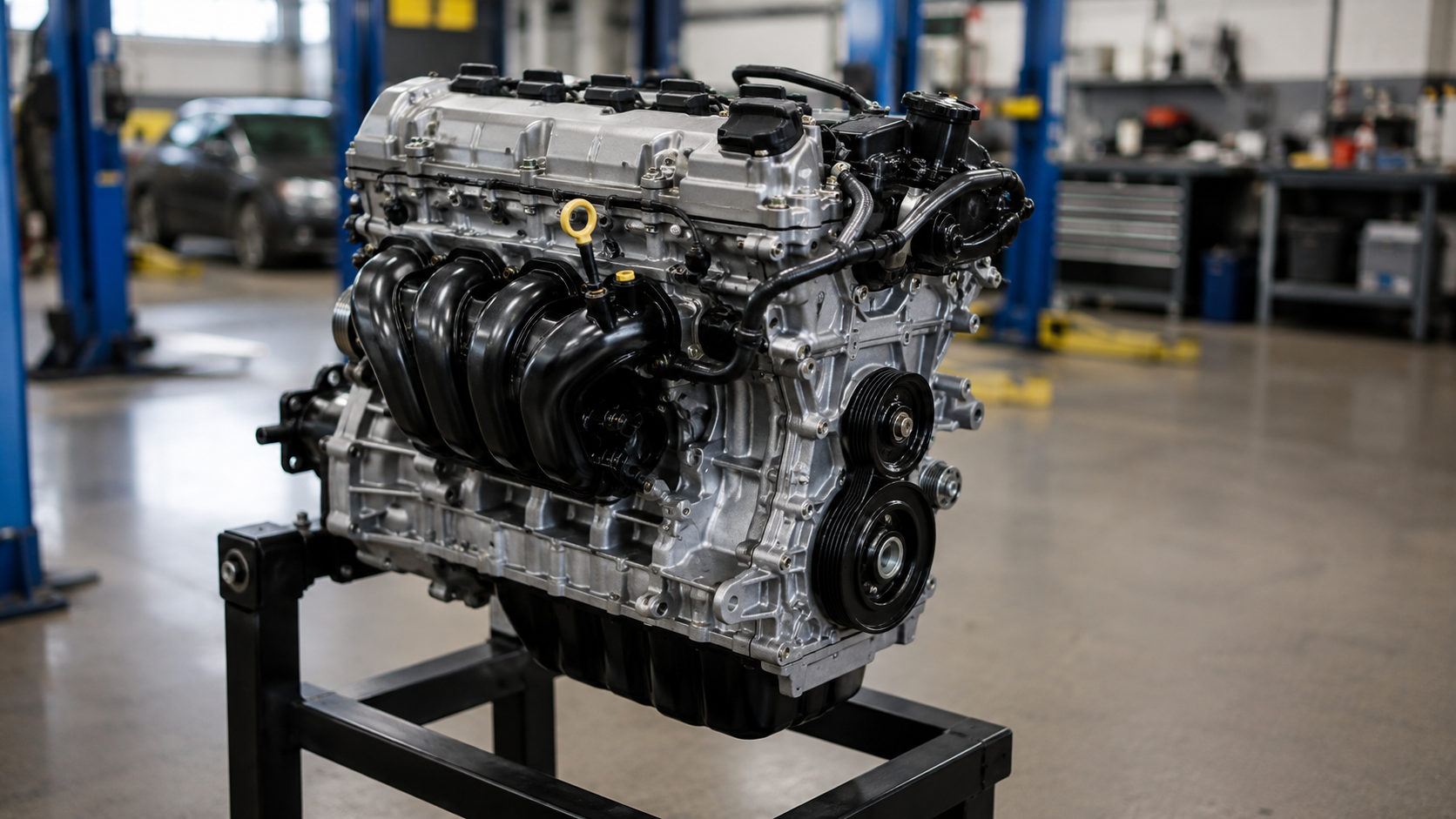
Replacement may be considered when the engine is cracked, seized, severely overheated, or damaged beyond a practical rebuild.
The replacement may be:
- New
- Remanufactured
- Rebuilt
- Used
Each option can differ in price, condition, availability, and warranty coverage.
Questions to Ask Before Approving Engine Replacement
A clear estimate should explain more than the price.
Ask:
- What testing confirmed the engine damage?
- Can the existing engine be rebuilt?
- What type of replacement engine is proposed?
- What mileage or history does it have?
- What parts are included?
- Is removal and installation included?
- What related systems will be inspected?
- What warranty is provided?
- Is vehicle pickup and delivery available?
You should also ask about cooling system repairs, fluids, mounts, belts, hoses, and other parts that may affect the replacement engine.
Frequently Asked Questions About Engine Replacement
Does White Smoke Mean I Need an Engine Replacement?
Not always. White smoke may result from coolant entering the combustion chamber, but the cause may be a repairable gasket or cylinder head problem. Testing is needed before recommending replacement.
Can an Engine Be Replaced After It Seizes?
Yes. A seized engine may be replaced, provided the cause is first identified. Oil loss, overheating, or internal breakage may also have affected related systems.
Is Engine Replacement Worth the Cost?
It may be worth considering when the vehicle remains in good condition and the owner plans to keep it. Compare the total cost with the vehicle’s value, expected life, and replacement cost.
How Long Does an Engine Replacement Last?
Service life depends on the engine’s condition, installation quality, maintenance, driving habits, and related vehicle systems. Warranty coverage should also be reviewed.
Choose the Next Step Based on the Evidence
Engine replacement may be necessary due to severe overheating, internal knocking, low compression, metal debris, a seized engine, or repeated repair problems. Still, symptoms should be supported by proper testing before a final decision is made.
For drivers facing major engine concerns, Elite Engine & Transmission Rebuilders offers specialized evaluation, engine removal, reinstallation, rebuilding support, pickup, and delivery from its Fort Mill location. Contact us to review the symptoms, understand the findings, and choose a service path based on your vehicle’s actual condition.