Your vehicle’s engine is one of the hardest-working parts of your car, truck, or SUV. Every time you start the engine, hundreds of parts work together to create the power needed to get you where you need to go. Over time, those parts wear down from heat, friction, and everyday use. While regular maintenance can help extend engine life, there comes a point when simple repairs may no longer be enough.
The challenge is that major engine problems do not always happen all at once. In many cases, warning signs appear gradually. A small issue today can turn into a larger and more expensive problem later. Knowing what to look for can help you make better decisions about your vehicle and avoid unexpected breakdowns. Elite Engine & Transmission Rebuilders in Fort Mill, SC shares seven signs that may indicate it is time to consider an engine rebuild.
What Is an Engine Rebuild?
An engine rebuild is a process that restores worn parts inside an engine. Instead of replacing the entire vehicle, technicians disassemble the engine, inspect its condition, replace damaged components, and reassemble it as needed.
Many drivers choose rebuilding because the rest of the vehicle is still in good shape. A rebuild can help extend engine life, improve reliability, and restore performance. It can also be a practical alternative to replacing a vehicle that still has many good years left.
1. Excessive Oil Consumption
Most engines use a small amount of oil between oil changes. However, if you find yourself adding oil regularly, there may be a larger issue developing inside the engine. Many drivers first notice the problem when they check the oil level and find it lower than expected, even though there are no obvious leaks.
Oil consumption can happen when engine parts begin to wear. Worn piston rings, valve seals, and cylinder walls may allow oil to move into areas where it should not be. As a result, the engine burns oil faster than normal.
Ignoring excessive oil consumption can lead to bigger problems over time. Low oil levels can increase wear on critical engine parts and shorten engine life. If oil consumption continues to increase despite regular maintenance, it may be time to consider rebuilding as the better long-term solution.
2. Persistent Engine Knocking
Engines naturally make noise while running, but knocking sounds are different. A knocking noise often signals that parts inside the engine are no longer fitting or moving the way they should.
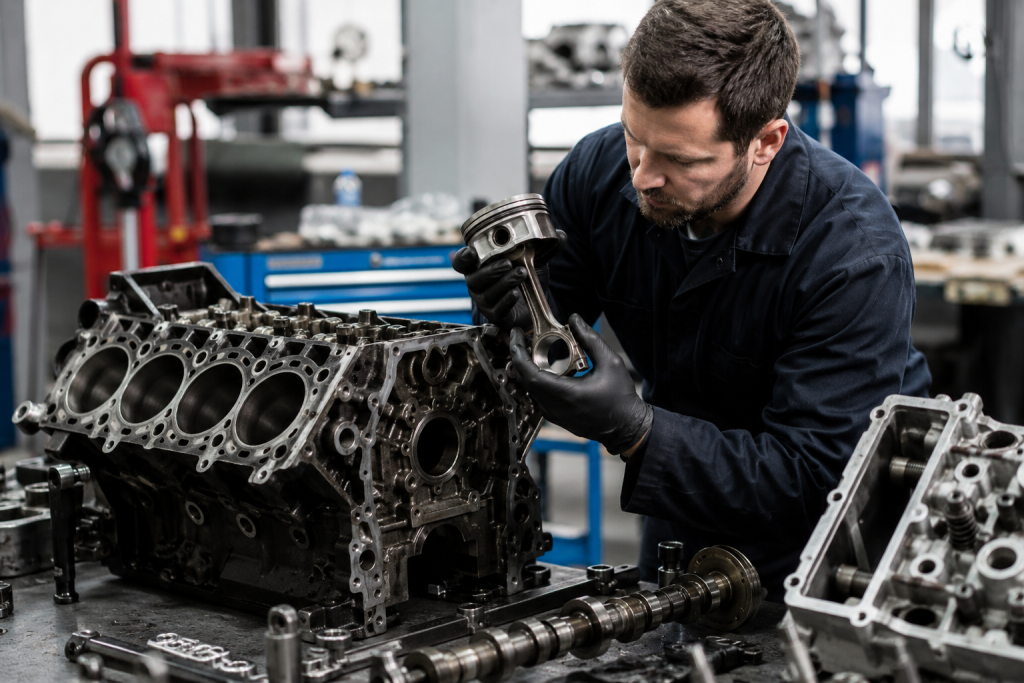
Some drivers hear the sound during acceleration, while others notice it when driving at higher speeds. The noise may start faint and become louder over time. In many cases, worn bearings or other internal components are the cause of the problem.
Engine knocking should never be ignored. Continuing to drive with a knocking engine can increase wear and lead to additional damage. The sooner the problem is inspected, the more options you may have to address it before the condition worsens.
3. Low Compression Across Multiple Cylinders
Your engine depends on compression to create power. Without proper compression, fuel and air cannot burn efficiently inside the cylinders. When compression drops, the engine may struggle to perform everyday tasks.
Drivers often notice rough idling, slower acceleration, poor fuel economy, or difficulty starting the vehicle. These problems can appear gradually, making them easy to overlook at first. Over time, however, they can affect the overall driving experience.
Low compression is often linked to worn piston rings, damaged valves, or cylinder wear. When several cylinders are affected, repairing one part may not solve the larger problem. A rebuild can help restore the engine’s ability to create power and operate more efficiently.
4. Frequent Overheating Problems
An engine can overheat for many reasons, including cooling system issues, low coolant levels, or failing components. While a single overheating incident may not cause major damage, repeated overheating can lead to serious problems inside the engine.
Excessive heat can cause stress on critical components such as head gaskets, cylinder heads, and other engine components. As overheating continues, wear can increase, and additional repairs may become necessary.
Many drivers repair the cooling system only to find that the vehicle continues running hot. When that happens, it may be time to look more closely and evaluate the engine’s condition. Identifying the cause early can help prevent larger repair bills in the future.
5. Noticeable Loss of Power
Most people become familiar with the way their vehicle feels during daily driving. That is why a loss of power is often one of the easiest engine problems to notice. The vehicle may feel slower than it used to, especially when accelerating, towing, or climbing hills.
As engine parts wear, they may not work together as efficiently as before. The engine must work harder to produce the same results, which can make the vehicle feel less responsive. Some drivers also notice a drop in fuel economy as the engine struggles to maintain performance.
If power loss continues to worsen, it may indicate that wear is affecting multiple engine components. Rebuilding can help address those issues and restore much of the performance lost over time.
6. Excessive Exhaust Smoke
Your exhaust can reveal a lot about what is happening inside your engine. While a small amount of vapor is normal under certain conditions, ongoing smoke should not be ignored.
Blue smoke is often a sign that the engine is burning oil. Gray smoke may point to other internal concerns. Some drivers notice smoke during acceleration, while others see it after starting the vehicle in the morning.
Excessive exhaust smoke is usually a symptom rather than the actual problem. The smoke often indicates that worn engine parts are allowing oil or other fluids to enter areas where they should not be. When the issue becomes frequent, a more complete inspection may reveal the need for extensive engine work.
7. Repeated Engine Repairs With No Lasting Solution
One of the clearest signs that an engine rebuild may be needed is the need for repeated repairs. If the same problems keep recurring, fixing individual parts may no longer be the most effective approach.
Many drivers reach a point where they feel like they are constantly paying for repairs. Oil consumption, overheating, poor performance, engine noise, and other concerns may persist even after work is complete.
A rebuild focuses on the engine’s overall condition rather than a single symptom; instead of repeatedly fixing individual problems, rebuilding addresses the wear that may be causing those issues in the first place.
When Should You Consider an Engine Rebuild?
Every vehicle is different, and there is no single mileage number that automatically means a rebuild is necessary. The decision often depends on the engine and vehicle conditions, as well as your long-term plans.
You may want to consider rebuilding if:
- Multiple engine problems are occurring at the same time
- Reliability has become a concern
- The vehicle is otherwise in good condition
- You want to keep the vehicle for years to come
- Replacing the vehicle would cost much more
Understanding the condition of your engine is the first step toward making an informed decision. To learn more about rebuilding, engine performance concerns, and common warning signs, dive into our blog for additional insights. You can also view our services to explore the rebuilding solutions available for your vehicle.
A professional inspection can help determine whether rebuilding is the right option based on your vehicle’s condition and goals.
Benefits of an Engine Rebuild
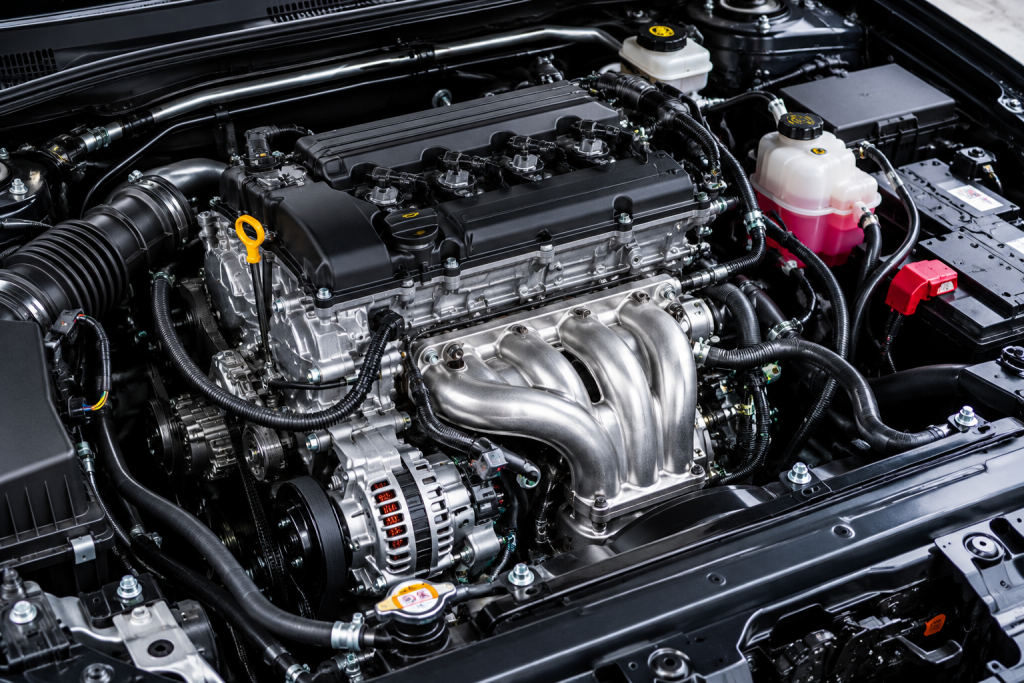
A professionally rebuilt engine can offer benefits beyond fixing a single problem. By replacing worn components and restoring critical systems, rebuilding can improve the vehicle’s performance every day.
A rebuilt engine may help:
- Improve reliability
- Restore lost power
- Extend engine life
- Improve day-to-day operation
- Increase confidence behind the wheel
- Provide more value from your existing vehicle
For many drivers, rebuilding offers an opportunity to continue driving a familiar vehicle while addressing years of accumulated wear.
Frequently Asked Questions
Is an engine rebuild better than replacing a vehicle?
In many situations, rebuilding can be a practical choice when the rest of the vehicle remains in good condition. The right decision depends on repair costs, vehicle condition, and plans.
How long does a rebuilt engine last?
A rebuilt engine can provide many years of dependable service when quality parts, proper workmanship, and regular maintenance are combined.
Can engine knocking be repaired without rebuilding?
Sometimes. The answer depends on what is causing the noise. Minor issues may have simpler solutions, while wear inside the engine may require more extensive work.
What is the biggest sign that an engine rebuild may be needed?
There is rarely just one warning sign. Multiple symptoms occurring together, such as oil consumption, overheating, power loss, and engine knocking, often point to significant engine wear.
Final Thoughts
Engine wear is a normal part of vehicle ownership, but certain warning signs should never be ignored. Excessive oil consumption, engine knocking, low compression, overheating, power loss, exhaust smoke, and repeated repairs can all indicate that your engine may need more than a routine repair. Identifying these issues early can help you make informed decisions, avoid further damage, and preserve your vehicle’s value.
Multiple warning signs often indicate that an engine needs more than a routine repair. Elite Engine & Transmission Rebuilders in Fort Mill, SC can evaluate your engine’s condition and discuss whether an engine rebuild is the right solution for your long-term needs. Contact us today to learn more about our engine rebuilding services and schedule a professional evaluation.